

Feldspar, Quartz, and Spessartine Gemstones in Relation to Mother Rock Garnet
From the Bronze Age forward, the silicate minerals known as garnets have been used as both decorative stones and industrial abrasives. With a focus on the several garnet types—Mother Rock Feldspar, Quartz, and Spessartine Garnet—this article aims to provide a comprehensive account of garnet. Every one of these categories has many applications because of its unique characteristics.
Constructing and Assembling
The garnets are a family of complicated silicate minerals with somewhat different chemical compositions. Frequently expressed as A3B2(SiO4)3, where A and B stand for cations of different sizes and valences, garnet is a compound. Because of the way it is chemically made, garnet may assume very many different shapes, each with unique qualities. The mineral assemblages are further enhanced in richness and complexity by the established relationship between garnet formations and Mother Rock Feldspar and Quartz.
Rock Mother A particular kind of feldspar is often found alongside garnet deposits. It contributes to the range of minerals present in rocks rich in garnet and is crucial to their formation. Sometimes, as inclusions or vein fills, quartz, another common mineral, appears in garnet crystals. With garnet, the presence of other minerals highlights the intricate geological processes that result in the formation of mineral assemblages.
The color spectrum of one kind of garnet, called spessartine garnet, runs from deep orange to reddish-brown. This manganese aluminum silicate mineral forms via a variety of geological processes and often accompanies metamorphic rocks. Because of its exceptional color and properties—which are brought about by its unique chemical composition—spessartine garnet is highly valued in the gemstone industry.
Qualitative Characteristics
From red and orange to yellow and green and even brown and black and colorless, garnets come in a variety of colors. The causes of these color changes include trace element impurities and chemical differences in the crystal structure. Mother Rock feldspar and quartz provide garnet-containing rocks their overall physical and visual complexity.
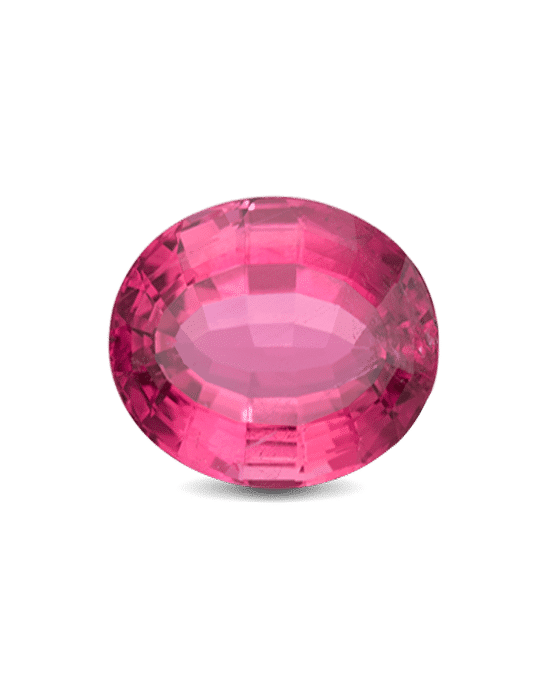
Spessartine garnet is one gemstone with remarkable transparency and brilliance that is often used in faceted jewelry. Its exceptional brightness and brilliant orange hue are highly prized by the jewelry business. The unique visual qualities that set Spessartine Garnet apart from other garnet varieties enthrall gemstone experts.
Operations and Goals
With its hardness, abrasiveness, and chemical inertness, garnet finds many industrial and commercial applications. Mother Rock quartz and feldspar, when present in garnet-containing rocks, have many industrial uses as well. High hardness and low friability make garnet useful in the abrasives industry for sandblasting, waterjet cutting, and abrasive blasting.
Jewelers generally utilize spessartine garnet because of its highly sought-after color and clarity. Faceted Spessartine Garnet gemstones are placed in jewelry like rings, earrings, and pendants to highlight their brilliant brilliance. Spessartine Garnet’s striking hues and distinctive form are popular among designers and collectors looking for unique gemstones.
Garnet-bearing rocks pique the curiosity of geologists and mineralogists not only for their ornamental and commercial uses but also for their significance in comprehending geological processes. The existence of Mother Rock Feldspar and Quartz next to garnet substantially improves the study of the genesis and evolution of rock formations in different geological environments.