

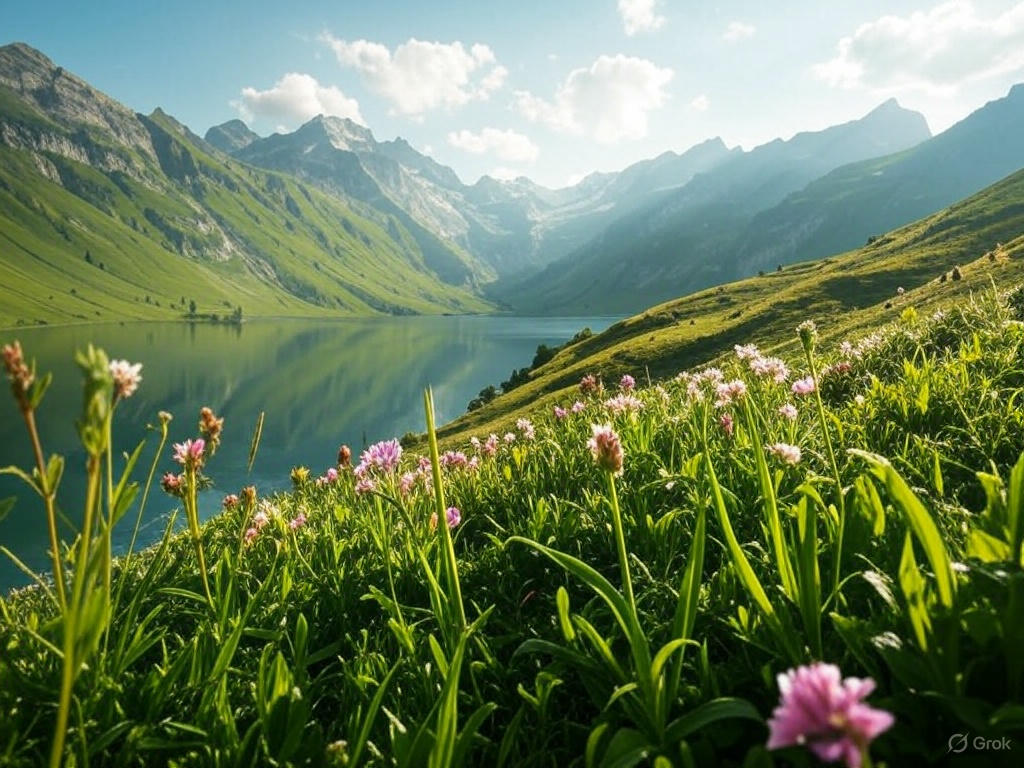
Switzerland, with its postcard-perfect landscapes, charming villages, and vibrant cities, is a year-round destination that captivates travelers from across the globe. From the snow-draped Alps to the serene shores of Lake Geneva, this small yet stunning country offers something magical in every season. But when is the best time to visit Switzerland? To answer that, we’ve tapped into the insights of local experts—those who know the country’s rhythms, weather quirks, and hidden gems better than anyone. Whether you’re a skier, a hiker, a foodie, or a culture enthusiast, here’s your guide to timing your Swiss adventure just right.
Why Timing Matters When Visiting Switzerland
Switzerland’s appeal lies in its diversity: towering mountains, rolling meadows, pristine lakes, and bustling cities like Zurich and Geneva. However, its climate and geography mean each season transforms the experience. Winter blankets the country in snow, making it a skier’s paradise. Summer brings wildflower-strewn trails and outdoor festivals. Spring and fall offer quieter moments with fewer crowds and milder weather. Local experts agree that the “best” time depends on what you want to see and do—plus your tolerance for crowds and costs.
Winter (December to February): A Snow Lover’s Dream
Best For: Skiing, snowboarding, and cozy alpine vibes
Weather: Cold (20°F to 40°F / -6°C to 4°C), snowy in the mountains, crisp in the lowlands
Crowds: High during holidays, moderate otherwise
Cost: Peak season pricing
Winter is Switzerland’s star season, especially if you love snow. The Swiss Alps—home to world-class resorts like Zermatt, Verbier, and St. Moritz—turn into a playground for skiers and snowboarders. “December through February is when Switzerland shines for winter sports,” says Anna Meier, a Zermatt-based ski instructor. “The snow is reliable, and the après-ski scene is unbeatable.”
Beyond the slopes, winter brings festive charm. Christmas markets in cities like Basel and Lucerne dazzle with twinkling lights, mulled wine, and handcrafted gifts. Late January’s Lauberhorn ski race in Wengen draws international crowds, while February’s White Turf horse races on St. Moritz’s frozen lake are a quirky highlight.
Local Tip: Visit in early December or late February to dodge peak holiday crowds (Christmas, New Year’s, and school breaks). Book accommodations early—chalets fill up fast.
Spring (March to May): Quiet Beauty and Blooming Landscapes
Best For: Hiking, sightseeing, and budget travel
Weather: Mild (40°F to 65°F / 4°C to 18°C), with occasional rain
Crowds: Low to moderate
Cost: Shoulder season savings
Spring in Switzerland is a secret worth sharing. As snow melts, the countryside awakens with blooming wildflowers and rushing waterfalls. “March to May is perfect for exploring without the summer rush,” says Lukas Schmid, a guide in the Bernese Oberland. “The trails around Interlaken and Grindelwald are peaceful, and the views are just as stunning.”
Cities like Bern and Lausanne shed their winter chill, offering pleasant strolls through historic streets. Spring also marks the start of the cheese-making season in places like Gruyères—pair a visit with a taste of fresh fondue. For budget travelers, this shoulder season means lower hotel rates and fewer tourists vying for photo ops at landmarks like Chillon Castle.
Local Tip: Pack layers—spring weather can be unpredictable. Late May is ideal for higher-altitude hikes as snow clears from trails.
Summer (June to August): Outdoor Adventures and Festivals
Best For: Hiking, lakeside relaxation, and cultural events
Weather: Warm (60°F to 80°F / 15°C to 27°C), occasional showers
Crowds: High
Cost: Peak season pricing
Summer turns Switzerland into an outdoor enthusiast’s paradise. The Alps beckon with trails like the Haute Route and Eiger Trail, while lakes like Thun and Lugano invite swimming and boating. “June to August is when Switzerland feels alive,” says Maria Keller, a Lucerne-based tour operator. “The days are long, the meadows are green, and every village has a festival.”
Cultural highlights abound: the Montreux Jazz Festival in July draws music lovers to Lake Geneva, while Swiss National Day on August 1 lights up the sky with fireworks. Cities buzz with energy, but popular spots like Jungfraujoch and Lauterbrunnen can feel crowded.
Local Tip: Head to lesser-known regions like Appenzell or the Engadine Valley for quieter trails and authentic charm. Book train passes (like the Swiss Travel Pass) in advance for savings.
Fall (September to November): Golden Hues and Wine Harvests
Best For: Scenic drives, wine tasting, and fewer crowds
Weather: Cool (45°F to 70°F / 7°C to 21°C), crisp and clear
Crowds: Moderate to low
Cost: Shoulder season deals
Fall paints Switzerland in shades of gold and red, making it a photographer’s dream. The vineyards of Lavaux and Ticino ripen for harvest, offering wine-tasting opportunities amid UNESCO-listed terraces. “September and October are my favorite months,” says Elena Rossi, a Ticino local. “The air is fresh, the colors are unreal, and the hiking is still fantastic.”
The crowds thin out, especially after September, and hotel prices drop. Fall festivals—like the cow parades (Alpabzug) in Appenzell or the chestnut harvest in Ascona—add a cultural twist. Late fall (November) can bring early snow in the mountains, signaling the start of ski season prep.
Local Tip: Visit in early October for peak foliage and mild weather. Bring a jacket for chilly evenings.
Month-by-Month Breakdown: When to Go
- January: Budget-friendly skiing, post-holiday calm.
- February: Peak winter sports and festive events like White Turf.
- March: Early spring hikes, low crowds.
- April: Wildflowers bloom, ideal for city breaks.
- May: Warming weather, shoulder season savings.
- June: Start of summer hiking, fewer crowds than July.
- July: Festivals and lake activities in full swing.
- August: Warmest weather, Swiss National Day celebrations.
- September: Early fall colors, wine harvest begins.
- October: Peak autumn beauty, mild days.
- November: Quiet trails, early ski resort openings.
- December: Christmas markets and winter magic kick off.
What Local Experts Say About Timing Your Trip
- For Skiers: “Late January to early February has the best snow and fewer crowds than Christmas,” advises Meier from Zermatt.
- For Hikers: “June or September—long days, clear trails, and no overheating,” suggests Schmid from Interlaken.
- For Culture Lovers: “July for festivals or December for markets,” recommends Keller from Lucerne.
- For Budget Travelers: “Stick to April or October—great value and still beautiful,” says Rossi from Ticino.
Practical Tips for Visiting Switzerland
- Transportation: Switzerland’s trains (SBB) are punctual and scenic. Consider a Swiss Travel Pass for unlimited rides.
- Packing: Layers are key—weather varies by altitude and season. Waterproof gear is a must for spring and fall.
- Currency: Swiss Franc (CHF). Cards are widely accepted, but cash is handy in rural areas.
- Language: German, French, and Italian are spoken depending on the region—English works in tourist areas.
- Sustainability: Switzerland prioritizes eco-friendly travel—use public transport and refillable water bottles (tap water is pristine).
Final Thoughts: When Should You Visit Switzerland?
There’s no “wrong” time to visit Switzerland—it’s a destination that adapts to every season. Winter thrills with snow and coziness, spring offers tranquility, summer bursts with outdoor fun, and fall stuns with its golden glow. Local experts agree: your perfect trip depends on your passions, budget, and crowd tolerance. So, whether you’re chasing powder in Zermatt or sipping wine in Lavaux, Switzerland is ready to welcome you—whenever you choose to come.
Plan your trip today, and let Switzerland’s timeless beauty sweep you off your feet!
Which is the best time to visit Switzerland for honeymoon?
The best time to visit Switzerland for a honeymoon depends on the kind of romantic experience you’re after, according to local experts. For a winter wonderland vibe with snow-dusted Alps and cozy moments, December to February is perfect—imagine snuggling up in a chalet in Zermatt or skiing together in Verbier. If you prefer a summer escape with warm days, green valleys, and lakeside romance, June to August shines, offering boat rides on Lake Geneva or intimate evenings at the Montreux Jazz Festival. For a quieter, more private getaway, spring (March to May) brings blooming wildflowers, while fall (September to November) dazzles with golden foliage—ideal for scenic drives through Lavaux or Ticino as a couple.
Which month is Switzerland most beautiful?
Pinpointing the most beautiful month in Switzerland is tricky since every season has its charm, but October often stands out, say locals like Elena Rossi from Ticino. In October, the country glows with autumn hues—think golden vineyards, red forests, and crisp, clear views of the Alps. The crowds thin out, and the air feels fresh, making it a photographer’s dream. That said, June is a close contender, with experts like Lukas Schmid from Interlaken praising its emerald meadows, wildflower-strewn trails, and long, sunny days that make the landscapes pop with life.
Is Switzerland good for a honeymoon?
Absolutely, Switzerland is a fantastic honeymoon destination. It’s got everything couples could want: breathtaking scenery, luxurious experiences, and a romantic vibe that’s hard to beat. Picture exploring fairy-tale castles like Chillon, tasting chocolate in Lausanne, or hiking hand-in-hand through the Bernese Oberland. Cities like Zurich and Geneva offer chic dining and culture, while alpine towns like St. Moritz promise stargazing and adventure. With efficient trains connecting it all and a mix of French, German, and Italian influences, Switzerland blends excitement and serenity into a perfect love-filled escape.
What is the cheapest month to visit Switzerland?
The cheapest months to visit Switzerland are typically April and November, during the shoulder seasons, when you can enjoy the country’s beauty on a budget. “These months offer great value with fewer tourists,” notes Anna Meier from Zermatt. In April, you’ll find mild weather, blooming landscapes, and lower hotel rates. November brings a calm vibe, early mountain snow, and deals before the winter peak hits. Pair your trip with a Swiss Travel Pass for affordable travel, and you’ll experience Switzerland’s charm without breaking the bank.


