

Key Points
- Basho Valley is a valley centre in Powindar village in Skardu District of Gilgit-Baltistan, Pakistan,40 km. from west of Skardu city, 1 km. in north from patund codet village at cultrez 3 500 mitres.
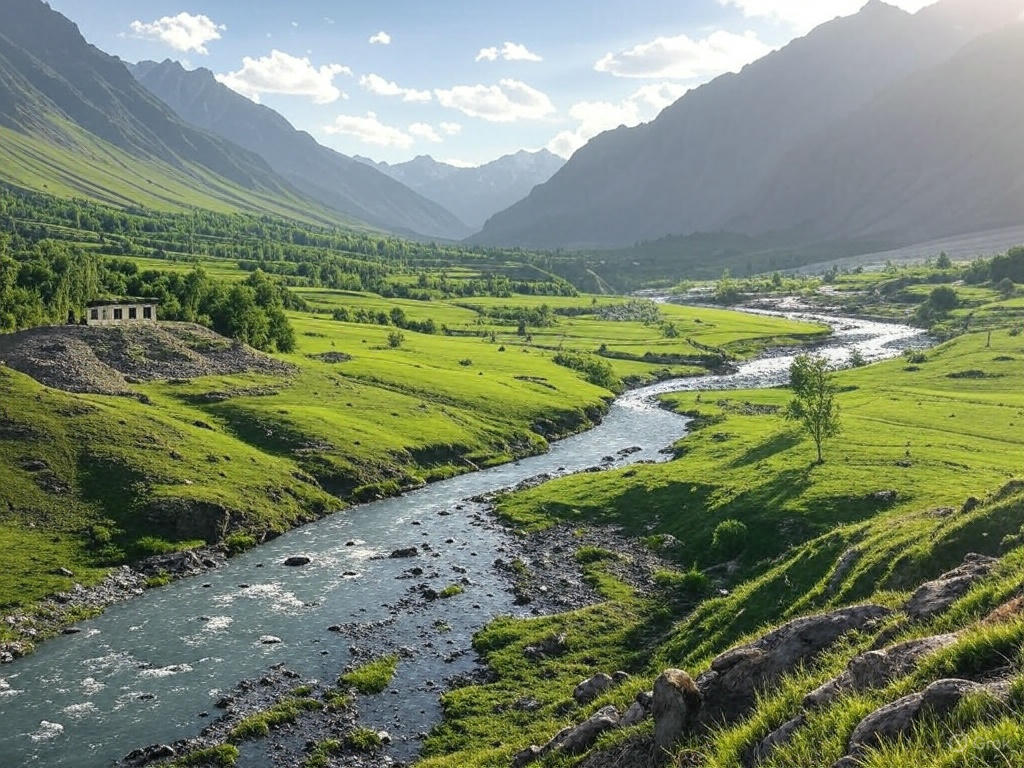
- It is renowned for stunning natural beauty consisting snow-capped mountains, pine groves, and Biswasho River, and perfect for hiking, camping, and photo taking.
- The best time to come is summer (June–August) when the days are sunny and roads in good condition, though spring and autumn make for peaceful visits with blooming flowers or golden leaves.
- Travellers can fly to it from Islamabad to Skardu (one hour) or drive up from Islamabad via the Karakoram Highway (20-24 hours), and then drive from Skardu to enable your arrival by a four by four jeep.
- Camping accommodations by the river, simple guest houses in nearby towns or staying in Skardu city with day trip to open for your consideration.
Location and Geography
Basho Valley is Bound in Roundu Division of Skardu District, Surrounded by Karakoram Range. At 3,500 meters above the ocean of the pathway, it has stunning perspectives of mountain tops such as Basho Highest point, 5,000 meters toward above. The valley has the green paddies, dense Pine colonies and the Basho River shining clearly, give us a tranquil and lovely scene.
| Category | Details |
|---|---|
| From Islamabad | Fly to Skardu Airport (1 hour PKR 15000-25000 or $50- $90 with morning/afternoon long trip, PKR 15000-30,000 $50-90 USD respectively) for aerial view or 20-24 hours long Journey drive karakoram highway via Chilasi Jaglot (PKR 3000-5000 by bus, $10-18 USD). |
| From Skardu City | Use car rental (PKR 5,000-7,000 one way, $18-$25 USD for a 40km, 1.5-2 hour drive west). Rocky, steep road—local driver recommended. |
| Hiking | Trails like Basho Meadows for easy walks or glacial routes for tough treks, with panoramic mountain views. |
| Camping | Pitch tents by the river or in forests, starry nights, summer temps 5–10°C (41–50°F). |
| Photography | Capture sunrise over Basho Peak, river, pine forests—golden hours are best. |
| Cultural Visits | Visit Sultanabad village, meet Balti locals, try apricots, sip tea, enjoy hospitality. |
| Fishing | Fish for trout in Basho River, check local permit rules. |
| Summer (June–August) | Warm days (15–20°C, 59–68°F), great for hiking and camping, clear roads, wildflowers bloom. |
| Spring (April–May) | Cooler (10–15°C, 50–59°F), colorful flowers, quiet visits, snow melting. |
| Fall (September–October) | Crisp days (10–18°C, 50–64°F), golden leaves, good weather for activities. |
| Winter (November–March) | Snowy (days -5 to 5°C, 23–41°F; nights -10 to -5°C, 14–23°F), winter wonderland, possible road closures. |
| Stay Options | Camp by river (free, bring gear), village guesthouses (PKR 1,500–3,000/night, $5–$10 USD), Skardu (budget PKR 2,000/night, $7 USD; mid-range PKR 10,000+/night, $35+ USD). |
| Packing List | Warm jacket, sturdy shoes, sunglasses, sunscreen, water, snacks, camera, tent, sleeping bag, first-aid kit, cash (no ATMs). |
This table organizes the travel, activities, best times, and accommodation details for Basho Valley in a clear, concise way. Let me know if you’d like adjustments!
Survey Note: Comprehensive Guide to Basho Valley in Skardu
Basho Valley lies in the Skardu District of Gilgit-Baltistan, Pakistan, it is a least visited place around 40 kilometers away from the city of Skardu at an elevation of 3,500 meters (11,500 feet). This valley, encompasses by the Karakoram range, having snow covered peaks like Basho Peak (over 5000m), lush meadows, Pine forest & flows by Basho river. Its far away,unspoiled setting gives it an ideal shelter to nature lovers and the thrill picker, offering a blend of peacefulness& rugged beauty.
Travel and Accessibility
The journey to Basho Valley begins in Islamabad, Pakistan’s capital, with two primary options:
- By Air: A 1-hour flight to Skardu Airport, operated by Pakistan International Airlines (PIA), costs PKR 15,000–25,000 ($50–$90 USD), depending on the season. Flights offer breathtaking views of the Himalayas, including Nanga Parbat, but are weather-dependent, so check schedules in advance.
- By Road: The Karakoram Highway (KKH) provides a scenic 20–24-hour drive, covering over 600 kilometers through Chilas, Jaglot, and other towns. Bus fares range from PKR 3,000–5,000 ($10–$18 USD), while private cars cost more. The route is known for its dramatic landscapes, with stops for rest and food along the way.
Once the group gets to Skardu City, at the height of 2,500 meters, travelers have an opportunity to rest and to prepare. Skardu has options for accommodations, ranging from a budget guesthouses like Concordia Motel (PKR 2000(Night,$7 USD to Mid-range type of options like Serena Hotel (PKR 15000+/n,it +USD 35+). Jeep 4×4 is a must for the last leg from Skardu to Basho valley of 40 kilometers, 1.5 – 2 hour westward drive. The road is gravel, steep and rocky, in addition to sharp turns costing PKR 5,000–7,000 ($18-$25) round way. It is recommendable to contract a local driver for safety and navigation purpose and taking into account that even the roads can be pivotally closed due to weather.
Why Basho Valley Stands Out
Basho Valley’s charm is about unblemished beauty and peaceful surroundings. The valley is covered with snow peak-topped mountains, copious alpine pinewood landscapes; full of fresh wood fragrance, and Basho River quietly coursing, adding a soothing melodic to the scenery. Having a high elevation and a more inaccessible location means much fewer tourists than you find at more famous sites like Hunza or Fairy Meadows, making it the perfect spot if you are looking for some calm. The valley too has plenty to offer when it comes to wildlife with ibex, marmots, golden eagles, chukars and even lesser seen snow leopards during winters, enhancing the natural beauty of the place.
Detailed Activities and Attractions
Basho Valley offers a plethora of activities for visitors:
- Hiking and Trekking: Trails range from leisurely strolls along turns of the river to Basho Meadows, a wide, grassy space with panoramic views of mountains to long, demanding treks to glaciers – up to 4-6 hours. Bring good quality shoes as paths can be rugged and thought about guided tours for the safety.
- Camping: Camp nearby Basho River or in a forest, enjoying the starry night with temperature getting as low as 5°C or 10°C (41°F 50°F) even in summer nights ! Pack a campfire kit for warmth as well as s’mores and bring a warm sleeping bag for cold nights.
- Photography: The valley is a photographer’s dream, where you can photograph sunrise over Basho Peak, the river flowing through meadows, and the golden light of the day falls on pine forests. Golden hours (early morning, late evening) are best for great exposures hence, carry batteries for additional to your camera.
- Cultural Exploration: You can also visit the nearby village of Sultanabad to have a taste of the Balti culture. Locals are famous for their warmth and drink, tea, dry apricots (Skardu’s special flavor) and insights to mountain life. Go for home-cooked meals like rice, lentils, and local breads for a flavor of the local taste.
- Fishing: The Basho River is full of trout and thus is an ideal place to take part in relaxation fishing. Bring a rod and tackle (or rent in Skardu) and consult local authorities for permits to ensure responsible behaviors.
Best Time to Visit: Season-by-Season Breakdown
Timing your visit is crucial for the best experience:
- Summer (June–August): Days are mild (15–20°C, 59–68°F) with sunny skies and wildflowers in bloom perfect for hiking, camping and photography. Roads are open up and the valley turns lush green, only that the nights can be a bit cool (5–10°C, 41–50°F).
- Spring (April–May): Cooler (10–15°C, 50–59°F) with melting snow and flowering early, such as primroses, buttercups and rhododendrons. It’s calmer, ideal for a relaxed visit, less crowded and with clean, fresh air.
- Fall (September–October): Crisp days (10–18°C, 50–64°F) and golden leaves create a magical scene, ideal for photography and outdoor activities. The weather remains good for hiking, with fewer tourists than summer.
- Winter (November–March): Snow covers the valley with around -5 to 5°C (23–41°F) during the day and falls to -10 to -5°C (14–23°F) at night. It is a winter wonderland for the snow fanatic but in the event of heavy snowfall roads may shut, you will be required to plan ahead and possibly even have snow gear.
While Summer is the most popular due to ease and convenience, Spring and Fall bring a special charm with less crowds.
Accommodation and Packing: Detailed Options
Accommodation in Basho Valley is basic but charming, reflecting its remote nature:
- Camping: The most common option, with free sites by the river or in meadows. Rent gear in Skardu (PKR 1,000–2,000/day, $3–$7 USD) if required, for example, tents, sleeping bags and stoves. Make sure you bring warm tops for cooler evenings as temperatures can be quite low.
- Guest Houses: Small, family-run guesthouses in villages like Sultanabad offer basic rooms with beds and blankets (PKR 1,500–3,000/night, $5–$10 USD). Meals include homecooked rice, lentils, and local dishes, providing a cozy, authentic stay.
- Skardu Base: For more comfort, stay in Skardu City, with options from budget guesthouses (PKR 2,000/night, $7 USD) to mid-range hotels like Shangrila Resort (PKR 10,000+/night, $35+ USD). Day trips to Basho take about 2 hours each way, offering flexibility.
Packing essentials include:
- Warm jacket, sweater, and thermals for chilly nights
- Sturdy hiking boots or sneakers for rocky trails
- Sunglasses and sunscreen for high-altitude sun exposure
- Reusable water bottle and snacks like nuts or dried fruit
- Camera or phone with extra batteries for photography
- Tent, sleeping bag, and camping stove if camping
- Small first-aid kit with bandages and painkillers
- Cash, as there are no ATMs or card machines in the valley
Local Culture and People
Basho Valley is populated by the Balti people, famous for their warm hospitality and ethnicity. The local language is Balti alongside Urdu; citizens are encouraged to learn simple greetings like “salaam” (hello), “shukriya” (thank you) and “khuda hafiz” (goodbye) to interact with the locals. Exploring villages such as Sultanabad they are able to experience part of their customs, including apricot farming and village life. All due respect to local culture-especially when it comes to photography of the people,>… consider buying local goods, as they will be able to contribute to the economy.
Budgeting for Your Trip: A Detailed Estimate
Planning a budget helps manage costs. Here’s a rough estimate for a 3-day trip, including one night camping in Basho Valley:
| Category | Details |
|---|---|
| Flights | Islamabad to Skardu, round trip: PKR 30,000 ($100 USD) |
| Accommodation | 2 nights in Skardu (budget guesthouse, PKR 2,000/night, $7 USD each) = PKR 4,000 ($14 USD); 1 night camping (free, gear rental PKR 2,000, $7 USD) = PKR 2,000 ($7 USD); Total: PKR 6,000 ($21 USD) |
| Jeep Rental | To Basho Valley, round trip: PKR 7,000 ($25 USD) |
| Food | Local meals (PKR 200–500, $0.70–$1.75 USD per meal) for 3 days, estimate PKR 1,500/day = PKR 4,500 ($15 USD) |
| Guide | 2 days, PKR 2,000–3,000/day ($7–$10 USD): PKR 6,000 ($20 USD) |
| Miscellaneous | Snacks, water, tips: PKR 4,000 ($14 USD) |
| Total Estimated Cost |
Practical Tips and Considerations
- Altitude Sickness: When climbed to 3,500 meters, one may get dizziness or headache. Hydrate with loads of water, Mrs. boozy – stay away from, rest if needed, and once you know that symptoms aren’t going, throw away a visit to the doctor. Acclimatize in Skardu for a day before proceeding to Basho.
- Communication: English is spoken in resort areas but learning some basic Urdu phrases such as “salaam” (hello), “shukriya” (thank you), “khuda hafiz” (goodbye) will be useful. Balti is the local language and Balti people may be familiar with Urdu too, these phrases helps bridge the gap of communication.
- Food: You should expect home-cooked foods in guest houses, such as rice, lentil and local flatbreads. Drink apricot dishes, a Skardu specialty and see food from a trusted sources to avoids illness. Pack snacks for hikes.
- Travel Restrictions: Pakistani citizens generally face fewer restrictions, but foreigners may need permits for Gilgit-Baltistan. Check current regulations at Pakistan Tourism Development Corporation for visa and permit details.